
Understanding Veterinary Blood Glucose Levels in Pets
Blood glucose, also called blood sugar, refers to the main sugar that circulates in the bloodstream and provides energy for the body’s cells. Just like in humans, pets also need to maintain healthy blood glucose levels for proper bodily functioning. Too high or too low levels can indicate underlying health conditions. This is why it’s important for pet owners to monitor their animal’s blood glucose through periodic testing.
Why Monitor Veterinary Blood Glucose?
There are several reasons why veterinarians recommend Veterinary Blood Glucose testing for pets on a regular basis:
– Diabetes diagnosis: High blood glucose levels that persist could point towards diabetes mellitus. A glucose test helps in definitive diagnosis of this commonly seen disease in cats and dogs.
– Diabetes management: For pets already diagnosed with diabetes, routine glucose monitoring is essential to track the effectiveness of insulin therapy or other treatment. This ensures blood sugar remains within the target range.
– Other illnesses: Diseases of the pancreas, liver, kidneys or adrenal glands can manifest as abnormal glucose levels. Thus, testing aids in catching underlying issues early.
– Pre/post-surgery care: Glucose testing pre-surgery verifies a pet’s blood sugar is controlled enough for anesthesia. Post-op checks monitor for complications like low blood sugar.
– Obesity concerns: Overweight pets have increased risk of developing diabetes and prediabetes. Periodic screening helps curb chances of full-blown illness.
Proper Testing and Parameters
There are a few key points to remember when it comes to pet blood glucose testing:
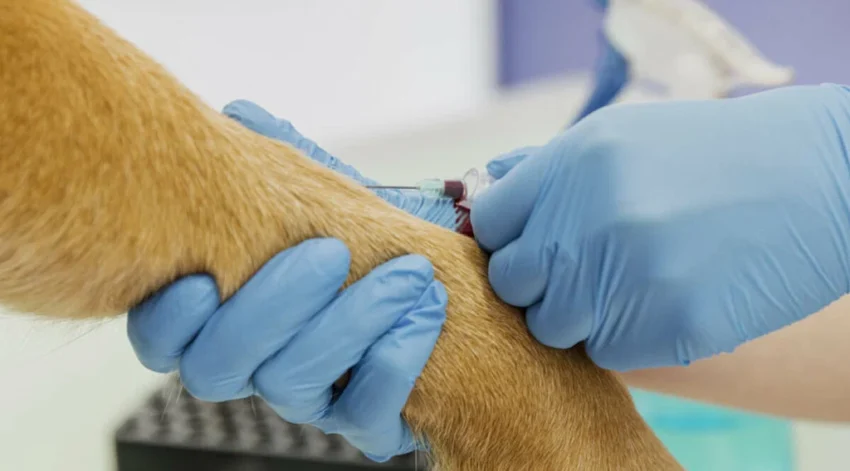
– Sample collection: A small blood sample is taken by pricking the pet’s ear or paw vein. Oral or intravenous glucose curves require multiple timed samples.
– Testing methods: In-house test kits provide rapid results read via meters, strips or slides. Laboratory analyses are more accurate for establishing baselines or diagnosing subtle abnormalities.
– Normal ranges: For fasting dogs, normal glucose is 80-120 mg/dL, while cats run 70-120 mg/dL. Post-meal/post-insulin levels should remain under 180-200 mg/dL.
– Testing times: Samples after meals show absorption rates. Fasting glucose rules out dietary factors as causes of hyperglycemia. Diabetics require morning and evening checks.
Taking Appropriate follow up Action
Once the test results are available with the veterinarian, they can interpret what actions may need to be taken based on whether the pet’s levels fall within the normal healthy range, indicate potential issues, or confirm an existing condition like diabetes. Follow up therapy, adjustments in medications or lifestyle, and rechecks may be recommended as warranted. Regular monitoring allows diabetes and other glucose disorders to be managed proactively for optimal pet health and wellness.