
Understanding Spinal Muscular Atrophy
What is Spinal Muscular Atrophy?
Spinal muscular atrophy (SMA) is a genetic disease that affects the part of the nervous system called the motor neurons. Motor neurons reach from the spinal cord to the muscles throughout the body. SMA causes weakness and wasting away (atrophy) of the muscles due to the gradual loss of motor neurons. This disease is the leading genetic cause of death for infants.
Types of SMA
There are different types of Spinal Muscular Atrophy classified by severity and age of onset. The types are:
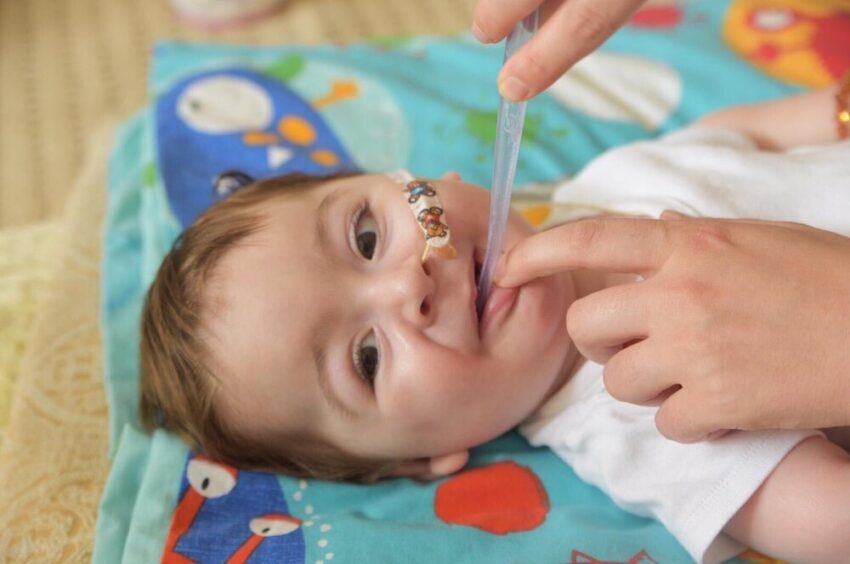
Type 1 SMA (Werdnig-Hoffman disease): This is the most severe type of childhood SMA. Symptoms begin before 6 months of age. Babies with Type 1 SMA never sit independently and experience problems with breathing and swallowing. Without respiratory and nutritional support, affected children with Type 1 SMA sadly do not survive beyond their second year of life.
Type 2 SMA: Symptoms begin between 6-18 months of age. Affected individuals cannot stand or walk but are able to sit up. They can usually use their hands and may be able to eat and breathe without support. Average life expectancy into adulthood.
Type 3 SMA (Kugelberg-Welander disease): Symptoms first appear any time after 18 months of age. Affected children are able to stand and walk but may lose this ability over time. They have a normal life expectancy.
Type 4 SMA: This adult form of SMA has a variable age of symptom onset. Symptoms are mild and may involve only the hands and feet. People with Type 4 SMA have a normal lifespan.
Causes of SMA
SMA is a genetic disease caused by mutations or deletions in the survival motor neuron 1 (SMN1) gene. The SMN1 gene encodes a protein that is crucial for the survival and function of motor neurons. A lack of this protein causes progressive muscular weakness and loss.
Everyone has a backup gene called SMN2. However, this gene does not consistently produce enough working SMN protein to prevent SMA symptoms. The number of copies of SMN2 a person has determines their SMA type and severity.
Inheritance Pattern of SMA
All types of SMA, except some rare adult cases, are inherited in an autosomal recessive manner. This means an individual must inherit one defective copy of the SMN1 gene from each parent to be affected by the condition.
If only one copy of the SMN1 gene is defective, that person will be a carrier who does not experience any symptoms. However, each child of two SMA carriers has a 25% chance of inheriting two faulty SMN1 genes and developing SMA.
Diagnosis and Testing for SMA
If signs and symptoms suggest SMA, genetic testing can confirm a diagnosis. A blood sample is used to check the SMN1 and SMN2 genes for mutations or deletions. Diagnosis is usually made by newborn screening, when symptoms first appear, or during family genetic counseling and carrier testing.
Testing can detect more than 95% of cases. This includes:
– DNA testing to check for changes in the SMN1 and SMN2 genes.
– mRNA analysis to measure levels of working SMN protein.
– Deletion/duplication testing to find missing or extra copies of the SMN1 gene.
Management and Treatment of SMA
There is currently no cure for SMA. However, treatment aims to manage symptoms and improve quality of life. Supportive care focusing on breathing, nutrition, and physical therapy is especially important. Some treatment options include:
– Respiratory support through assisted coughing, biPAP machines, and tracheostomy and ventilator use.
– Occupational and physical therapy to maintain strength and mobility as long as possible.
– Braces, walkers, wheelchairs to aid mobility.
– Scoliosis surgery if significant curvature of the spine develops.
– Nutritional support through thickened liquids, soft foods, and feeding tubes if needed.
– Medications to treat symptoms such as pain, constipation, and joint/muscle issues.
– Gene replacement therapy which supplies a working copy of the full-length SMN gene. At least four SMN replacement drugs are currently FDA-approved.
– Drugs that increase SMN protein production, either by modifying the SMN2 gene or regulating its splicing. Several are in clinical trials.
Individuals with SMA
The outlook varies widely depending on the type of SMA, but treatments continue advancing. With prompt diagnosis and supportive care:
– Most infants with Type 1 SMA sadly do not survive past two years without ventilation support. However, recent treatments have significantly improved outcomes.
– Children with Type 2 and 3 SMA can live into adulthood with therapies and interventions managing complications. Mobility may gradually decline over decades.
– Adults with SMA have a normal lifespan, although functionality depends on rate of progression. Research brings hope for better targeted treatments and therapies.
Overall, an SMA diagnosis is no longer the devastating prognosis it once was. Improved supportive care and promising gene and drug therapies are transforming lives and long-term perspectives for those living with this challenging genetic condition.