
Understanding Medium-Chain Triglycerides
What Are Medium-Chain Triglycerides?
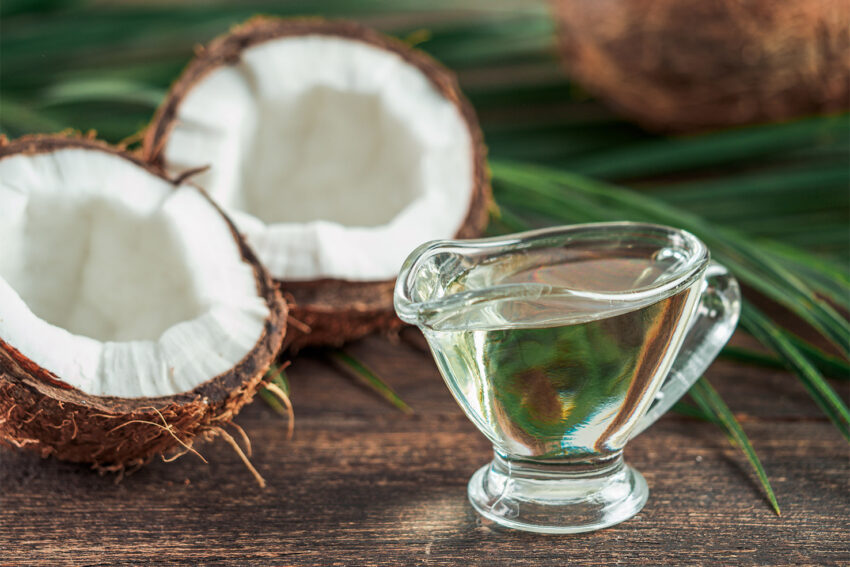
Medium-chain triglycerides, or MCTs, are a type of fat found in coconut and palm kernel oils. MCTs contain fatty acid chains that are medium in length, usually containing 6-12 carbon atoms. The two most common types of MCTs are caprylic acid (C8) and capric acid (C10).
How Are MCTs Different From Other Fats?
MCTs have some important differences from other more common fats like long-chain triglycerides:
– Absorption – MCTs are absorbed directly into the portal vein and transported to the liver for rapid metabolism. Other fats must be packaged into chylomicrons before traveling through the lymphatic system and entering general circulation. This faster absorption means MCTs don’t require bile or pancreatic enzymes for digestion.
– Energy Source – In the liver, MCTs are converted into ketone bodies which can be used by tissues for energy instead of glucose. This makes MCTs a more efficient fuel source than other fats.
– Thermogenic Effect – The breakdown of MCTs in the liver requires more calories than other fats, increasing metabolic rate and burning slightly more calories. Studies show MCT oil may promote more fat burning than longer chain triglycerides.
Potential Health Benefits of medium-chain triglycerides
1. Weight Management
The unique properties of MCTs support their potential role in weight control. Studies show MCT oil may boost metabolism and increase feelings of fullness compared to the same amount of longer chain triglycerides. Replacing some dietary long-chain fats with MCTs could help support calorie burning and healthy weight.
2. Heart Health
MCTs may promote heart health due to their ability to increase HDL “good” cholesterol levels better than longer chain fats. High HDL is associated with reduced risk of heart disease. As a saturated fat, MCTs don’t seem to negatively impact LDL levels like other saturated fats can.
3. Brain and Cognitive Function
The ketone bodies produced from metabolizing MCTs may have neuroprotective benefits. Ketones can fuel brain cells and studies link MCTs to improved cognitive function in aging individuals and those with neurodegenerative conditions like Alzheimer’s and Parkinson’s disease. More research is still needed.
4. Gastrointestinal Health
The antimicrobial properties of MCTs could promote gastrointestinal health by supporting the growth of beneficial gut bacteria. Studies link MCTs to anti-inflammatory effects in the gut and their faster absorption may ease symptoms of some digestive conditions when included as a part of an overall healthful diet.
Potential Applications of MCTs
1. Sports Nutrition
Athletes seeking an efficient energy source may benefit from MCT oil or MCT-containing foods. Studies show MCTs enhance physical performance and endurance by providing readily available ketones to working muscles. They also don’t seem to cause gastrointestinal upset like longer chain triglycerides during intense exercise.
2. Medical Nutrition Therapy
Under a physician’s care, MCT oil has applications in the nutrition management of specific health conditions like seizures, fatty acid oxidation disorders, and malabsorption issues. MCTs provide a concentrated source of calories and fat in a medium sized molecule that can be used by the body when other macronutrients may not be tolerated as well.
3. General Healthy Diet
As a replacement for some less beneficial fats and as an addition to a nutritionally balanced diet, MCT oil or coconut products containing MCTs could support heart and brain health as well as assist with appetite control and thermogenesis. Though more research is still warranted, MCTs show promise as part of a healthy dietary pattern when consumed in moderation.
Safety and Recommended Intake of medium-chain triglycerides
MCTs are generally regarded as safe when consumed in typical food amounts. Higher supplemental doses (over 50mL or 3-4 Tbsp per day) could potentially cause gastrointestinal side effects like cramps, diarrhea or nausea in some individuals as the body adjusts to the higher ketone levels. Starting with small amounts and gradually increasing is recommended.
No official recommended daily intake exists for MCTs though most research uses doses of 20-40g daily divided in multiple servings. Replacing up to 10% of daily calories from other fats with MCTs seems a reasonable dietary inclusion based on current scientific evidence. As with any dietary change, it’s best to work with a registered dietitian or healthcare provider for personalized guidance on appropriate uses and amounts of MCTs.