
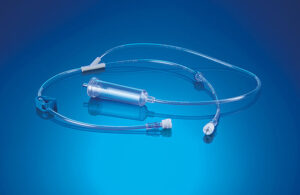
Medical tubing plays a vital role in the healthcare industry by safely delivering fluids, gases, and other medical substances throughout hospitals and medical facilities. Different types of tubing are required for various medical applications such as nutrient delivery, drug administration, suction, drainage, and more. Let’s explore some of the key types and uses of medical tubing.
Intravenous (IV) Tubing
One of the most common applications of medical tubing is for intravenous therapy where fluids, nutrients, medications, or blood products are delivered directly into the bloodstream of patients. IV tubing generally consists of a primary line that is securely connected to an IV catheter placed in a patient’s vein. The tubing is also attached to a container or fluid pump that regulates the precise flow rate into the circulatory system. IV tubing must meet high standards for biocompatibility, flexibility, and burst pressure to safely transport fluids without contamination or breaking under pressure.
Nasogastric Tubing
Nasogastric tubes are specialized tubing used for tube feeding or draining stomach contents through the nose and down the esophagus into the stomach. These tubes come in varying lengths depending on patient size and typically have additional connectors and components like an inflatable balloon to securely hold the tube in place in the stomach. Nasogastric tubing is made from flexible yet durable plastic or silicone materials that can withstand stomach acids and do not deteriorate inside the body.
ENT Tubing
In ENT (ears, nose, and throat) procedures and treatments, various types of small-diameter tubing are necessary. Examples include tracheostomy tubing used in ventilators to bypass an obstructed airway and provide ventilation through direct access to the windpipe. Other ENT tubes drain fluids from the sinuses or ears and help administer medications topically. Precise sizing and materials that will not fracture or degrade are important for ENT applications.
Catheter Tubing
For procedures involving insertion of medical catheters into the urethra, blood vessels, or other internal body sites, specialized catheter tubing is essential. Whether used for urinary drainage, IV access, angiography, or other catheterization needs, these tubes must be biocompatible, kink-resistant yet still flexible. Their internal structure, lining materials, and incorporation of guidewires also influences performance. Choosing high-quality catheter tubing assists with safe, effective procedures and drainage.
Surgical Tubing
In the operating room, a variety of tubing transfers gases, liquids, suction, and more to precisely aid surgical workflows. For example, bile duct exploration usually involves tubing like an ERCP cannula to safely access the ducts. Laparoscopic procedures similarly rely on specialized tubing to perform tasks like suturing or dissection through small incisions. Sterilizable materials able to withstand steam or chemical sterilization cycles are key.
Physical Properties of Medical Tubing
When selecting tubing for medical applications, several physical attributes must meet strict specifications to ensure safety, efficacy and durability. These include:
– Flexibility – Tubing inserted into the body or moved frequently needs appropriate flex properties to reduce risk of kinks, breaks or discomfort.
– Strength & Burst Pressure – Medical fluids or substances are often under pressure, so tubing must withstand high pressure levels without rupturing.
– Biocompatibility – Materials coming into contact with tissues, fluids or implanted must avoid adverse reactions, cytotoxicity or degradation.
– Diameter & Wall Thickness – Precise sizing ensures proper flow rates and sealing connections without compromising strength or flexibility.
– Smooth Inner Wall – Rough or pitted surfaces could damage fluids, clog filters or pumps, or injure delicate tissues during insertion.
– Compression Resistance – Kinks or collapsing of the lumen must be prevented, especially under conditions of bending or stretching.
– Compatibility – Tubing needs compatibility with associated connectors, fluids, sterilization processes and other system components for safety.
Sterilization of Medical Tubing
Proper sterilization methods are imperative to eliminate contaminants and microorganisms from reusable medical tubing priorto patient procedures and product distribution. Common techniques include steam autoclaving, dry heat sterilization, EtO gas exposure, and gamma or e-beam irradiation depending on the specific application and tubing material properties. Sterilizers must be properly calibrated and maintained, and packaging must effectively seal sterilized items to maintain the sterile state. Selecting tubing compatible with validated sterilization protocols is important for user safety compliance with regulations.
Quality and Regulations for Medical Tubing
As essential devices that directly contact patients, medical tubing systems are closely regulated by bodies like the FDA in the US and other international agencies. Tubing must meet biocompatibility, material, design and performance standards through testing and established quality systems. Manufacturers are regularly audited to ensure consistent production according to specifications, design controls, and adherence to good manufacturing practices. Only medical tubing from reputable, ISO-certified sources should be used for patient care to mitigate risks.
Conclusion
In summary, medical tubing performs vital functions throughout healthcare but also represents potential risks if not manufactured or applied properly. Ongoing material innovations along with stringent quality and regulatory compliance help ensure safe, reliable tubing solutions for diverse clinical needs.
*Note:
1. Source: Coherent Market Insights, Public sources, Desk research
2. We have leveraged AI tools to mine information and compile it