
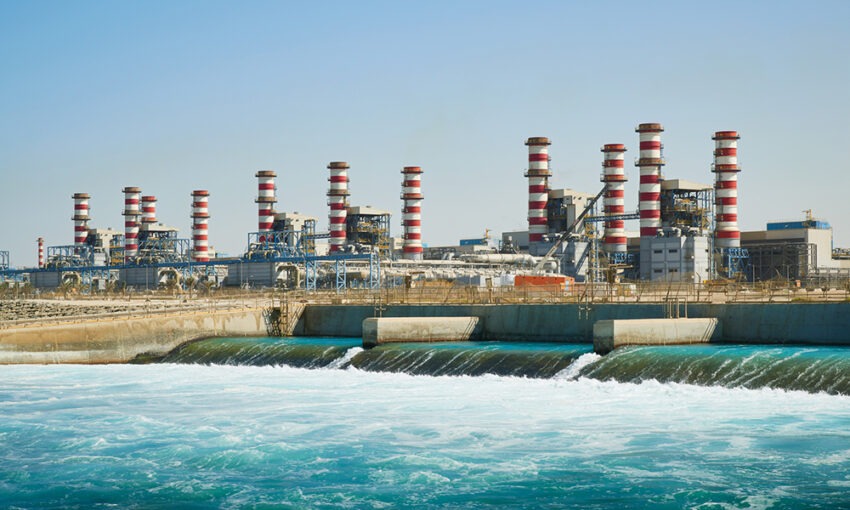
History and Development of Desalination Technology
Desalination has been used throughout history to provide potable water in areas where freshwater resources are scarce. One of the earliest recorded uses of desalination was by the ancient Greeks over 2000 years ago, using distillation methods to produce fresh water. However, it wasn’t until the early 1900s that electrodialysis and membrane technologies developed, allowing for more efficient desalination on a larger scale. During World War II, many military camps relied on desalination to meet their freshwater needs. However, it wasn’t until the 1950s that large municipal desalination plants began being built in places like Israel, Saudi Arabia, and the Caribbean islands.
Global Water Desalination As membrane technologies advanced in the 1970s and costs came down, desalination started being used more widely across the Middle East, Australia, and southwest United States. Reverse osmosis membrane systems in particular became more energy efficient compared to thermal distillation methods. More innovations since the 1990s have driven desalination plant capacities higher while lowering costs per cubic meter of water produced. Today, desalination is a key part of water supply in over 50 countries worldwide, with more plants being built each year to address growing water scarcity issues globally.
Current State of Global Water Desalination Industry
It is estimated that over 16,000 desalination plants now operate globally, with a total installed capacity of over 100 million cubic meters of water per day. The Middle East remains the world’s largest user of desalination, with over 50% of global capacity located in Gulf Cooperation Council countries. Saudi Arabia alone has over 1,000 desalination plants providing over half of its potable water needs. Also in the top five desalination-using countries are Spain, China, United States, and Japan.
In recent years, growth of desalination capacity has been fastest in China and India as their economies developed rapidly. Australia is turning to desalination on a larger scale as well due to prolonged droughts impacting surface water supplies. Many Caribbean islands are almost entirely reliant on desalination as their sole freshwater source. Reverse osmosis now accounts for over 60% of global desalination capacity due to its energy efficiency compared to thermal distillation. Continued membrane and energy recovery innovations are helping drive down desalination costs further.
Challenges for Global Water Desalination
With global water demand projected to rise by over 50% by 2030 due to population and economic growth, especially in developing countries, desalination will play an increasing critical role as a source of fresh water that is independent from rainfall and river flows. The International Desalination Association estimates that global desalination capacity will need to double from current levels to over 200 million cubic meters per day by 2025 in order to help meet future demand. Many new large seawater desalination plants are planned or under construction in countries like Saudi Arabia, UAE, China, Algeria and Australia to supply both municipal and industrial sectors.
However, the rapid expansion of desalination worldwide also poses some challenges. Thermal desalination plants in particular can have higher carbon emissions if using fossil fuels. The briny waste streams from desalination plants also pose an environmental issue if not disposed of properly. Energy consumption remains a major long-term cost factor for desalination and a barrier in less developed regions. Technologies to harness renewable energy sources like solar and wind for powering desalination are advancing but not yet widely implemented. The high upfront capital costs of large desalination facilities may deter investment in smaller communities. Capacity building, research into renewable energy integration, and affordable small-scale technologies will need to accelerate for desalination to reach its full potential.
Brackish Water Desalination Expanding Role
While seawater desalination receives much attention, brackish or slightly saline groundwater desalination is playing an increasing role globally. This is because brackish water desalination requires less pre-treatment and energy than seawater, lowering overall costs. Over 30 billion cubic meters of brackish water exist underground worldwide in aquifers near the coast as well as inland. Many countries with limited freshwater are now tapping into these reserves through both centralised large-scale brackish water desalination plants as well as decentralised smaller community-level systems.
Technologies focused on efficient brackish water desalination like forward osmosis are improving. India, China and the US each have tens of thousands of brackish water desalination systems operational at present. Key regions also seeing rapid growth include the Middle East, North Africa, Australia and parts of Europe dealing with saline intrusion issues. The total capacity from global brackish water desalination is projected to triple within this decade. Portable or modular small-scale brackish water desalination units are a growth area, providing local access even in remote inland areas. Together with seawater desalination, brackish water desalination will play an increasingly vital role in water supply globally.
As global water desalination demand rises faster than available freshwater supplies, desalination is emerging as a critical solution worldwide. Technologies like reverse osmosis membrane systems have advanced to make desalination a viable option economically as well. Both large-scale seawater desalination plants as well as decentralised brackish water systems will be needed. While energy costs, disposal impacts and other challenges remain, continued innovation as well as strategic planning can help maximise the potential of desalination to provide safe drinking water and support economic growth globally in the decades ahead. With over a billion people still lacking reliable access to clean water, desalination will play an ever more vital role in realising the human right to water for all
*Note:
1. Source: Coherent Market Insights, Public sources, Desk research
2. We have leveraged AI tools to mine information and compile it.