
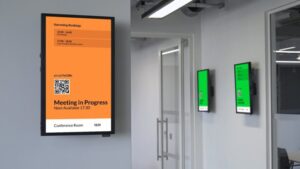
Digital Signage has become a ubiquitous technology that provides opportunities for businesses and organizations to communicate effectively with their customers and stakeholders. From airports and malls to hospitals and corporate offices, digital signage networks are enhancing experiences through targeted messaging. In this article, we explore the growth of digital signage and how it is shaping the future of marketing and communication.
What is Digital Signage?
Digital signage utilizes display screens and devices to deliver content such as advertisements, information, and announcements to audiences. The content is managed and scheduled from a central computer and distributed across screens that can range from single monitors to video walls. Unlike traditional static signage, digital signage allows for dynamic content that can be changed remotely and scheduled anywhere from seconds to hours or days.
The content on digital signage networks usually incorporates images, videos, slides, text and other graphics. It is designed specifically for each screen location and audience. The emergence of affordable displays, powerful media players, and content management software has enabled digital signage to become a cost-effective communication tool for both small businesses and large corporations.
Growth of the Digital Signage Industry
The digital signage industry has seen tremendous growth over the past decade driven by declining technology costs and the need for dynamic messaging. A recent report estimates the global digital signage market size to be over $20 billion currently and projected to grow to nearly $30 billion by 2025. North America currently leads the market due to early adoption while Asia Pacific is witnessing the fastest growth.
Some key drivers for this growth include:
– Ability to engage audiences: Dynamic and interactive digital signage engages audiences better than traditional static signage. It allows tailoring messages based on location, demographic, time of day.
– Data analytics: Advanced digital signage solutions provide meaningful data and analytics on viewership, dwell time, messages that resonate etc. This helps optimize content strategy.
– Declining technology costs: Lower prices of LED and LCD displays, more powerful yet affordable media players and simpler content management tools have boosted adoption across market segments.
– Mobility and remote manageability: Digital signage networks can be managed remotely using web or mobile-based content management systems. This provides flexibility compared to physical signage changes.
– Multichannel communication platform: Digital signage expands the reach of communication efforts through television-like network distribution across screens indoors and outdoors.
Applications in Marketing and Communication
Given the benefits of digital signage, marketers and communication professionals are leveraging it across various applications:
Retail Marketing
Digital signage finds widespread usage in retail stores, shopping malls and points-of-sale for promotions, wayfinding, customer engagement and merchandising. Dynamic messaging keeps shelves stocked with the latest deals and offerings helping boost sales. Many retailers also play educational product videos and demonstrators.
Hospitality Industry
Hotels, airports, convention centers use digital signage for wayfinding, queue management, room reservation check-ins and dynamic menu boards. It enhances the overall customer experience through real-time information on events, facilities and on-premise amenities. Many offer interactive touchscreen kiosks and mobile wallet check-ins now.
Corporate Communications
Companies install digital signage across employee areas, lobbies and meeting spaces for internal communications. Important notifications, company updates and security alerts feature regularly on the screens. It improves transparency of information flow within large distributed organizations.
Healthcare Facilities
Hospitals leverage digital signage extensively for guiding patients, highlighting services and sharing health advisories. Waiting areas play informative videos or slideshows. Interactive wayfinding helps provide virtual assistance and avoid unnecessary footfall inside patient wards.
Outdoor Advertising
Digital billboards and city information displays at bus stops and metro stations augment traditional outdoor advertising. Their programmability allows targeting messages and ads based on time, location or other triggers. Many public places integrate weather forecasts and event listings as well.
The Future of Digital Signage
Going forward, digital signage networks are becoming more versatile, intelligent and immersive owing to new technologies and platform capabilities:
– Integrations with IoT: Signage screens will act as control interfaces for smart environments and connected devices using technologies like Bluetooth beacons, RFID tags etc.
– Advanced data analytics: Deeper analysis of viewer metrics and behavior will drive highly personalized and context-aware content strategies.
– Enhanced interactivity: Touchscreens, gesture controls along with integration of AR, VR will make signage engage audiences through two-way interactions.
– Unified communications platform: Signage will merge with collaboration technologies for interactive virtual meetings, video conferencing and networked conferencing halls.
– Self-optimizing networks: AI and machine learning will automatically schedule optimal playlists, control content sequencing based on audience patterns and make updates.
In conclusion, digital signage is transforming the way businesses engage customers and disseminate information through more targeted and immersive experiences. Its network capabilities and integration with emerging technologies promise to deliver highly personalized communication experiences across all digital touchpoints in the future.
*Note:
- Source: Coherent Market Insights, Public sources, Desk research
- We have leveraged AI tools to mine information and compile it