
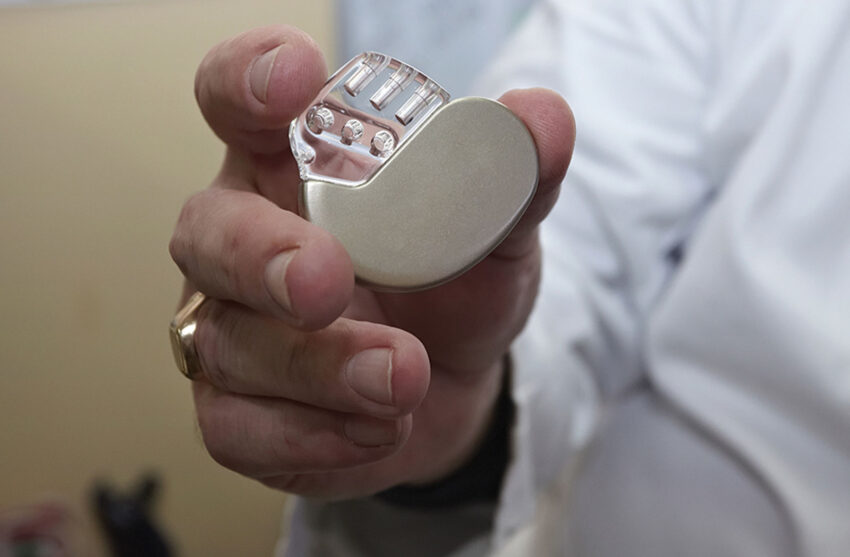
Cardiac implantable electronic devices refer to medical devices that are implanted inside the body to monitor and treat irregular heartbeats known as arrhythmias. They include pacemakers, implantable cardioverter defibrillators (ICDs), and cardiac resynchronization therapy devices (CRT-Ds). These devices have transformed the lives of many patients and revolutionized the treatment of arrhythmias.
Pacemakers
A pacemaker is a device implanted under the skin in the chest area to help regulate abnormal heart rhythms called bradycardias. Cardiac Implantable Electronic Devices monitor the heart rhythm and deliver electrical impulses to make the heartbeat more regular if it detects any abnormal rhythms. Modern pacemakers are programmable and can be adjusted non-invasively according to a patient’s needs. Different pacemaker models are available with capabilities like rate-responsive pacing that automatically adjusts heart stimulation according to activity levels. Pacemakers have helped millions of people live longer and more active lives by regulating slow heart rates.
Implantable Cardioverter Defibrillators
Implantable Cardioverter Defibrillators are small devices implanted in patients who are at risk of sudden cardiac arrest due to life-threatening heart arrhythmias like ventricular tachycardia or ventricular fibrillation. ICDs monitor the heart continuously and can deliver electrical shocks or pulses if any dangerous rhythms are detected. This immediately stops the abnormal rhythm and provides time for the normal heart rhythm to resume on its own. ICDs bring a significant survival benefit and lifesaving protection against sudden cardiac death for high-risk patients. Newer ICD models also have built-in pacemaker functions to treat slow heart rhythms.
Cardiac Resynchronization Therapy
Some people with heart failure have unsynchronized heartbeats where the lower chambers of the heart don’t contract simultaneously. Cardiac resynchronization therapy devices help coordinate these contractions and improve the heart’s pumping ability. CRT devices have pacemaker-like functions along with defibrillator capabilities. They deliver electrical impulses to both lower chambers of the heart to restore synchronization. CRT has been found to improve quality of life and decrease hospitalizations in suitable heart failure patients. Modern CRT devices are smaller and more durable compared to early models.
Advantages of Implantable Devices
Implantable devices offer numerous advantages compared to medication alone or external defibrillators. Their primary benefits are continuous heart monitoring and treatment capability at all times without the patient having to carry any external equipment. Implanted devices can detect and respond immediately to abnormal rhythms even before the patient becomes aware of symptoms. Unlike medication which only controls symptoms, implantable devices are life-saving by terminating dangerous arrhythmias. Their longevity has also increased significantly with modern battery technology allowing most devices to function without replacement for five years or more. Device miniaturization has made implantation less invasive. remote monitoring capabilities of newer models help detect issues early and optimize treatment. All these factors have made implantable devices the standard of care for managing many cardiac rhythm disorders.
Device Monitoring and Follow-Up
Following Cardiac Implantable Electronic Devices patients require periodic follow-ups to monitor device function and detect any issues. At follow-up visits, device data on heart rhythms and treatment delivered can be reviewed non-invasively using a programmer. Devices also have remote monitoring capabilities that allow automatic transmission of routine data to clinics. This remote monitoring assists early detection of arrhythmia recurrences or device malfunctions from home, reduces unnecessary office visits, and improves quality of life. Any abnormalities detected during follow-up are addressed by programming parameter adjustments or replacement if required. Regular monitoring visits ensure devices continue working optimally and treatment is optimized based on each patient’s changing clinical status over time.
Advancements in Device Technology
Device technology is rapidly evolving with new features to better monitor the heart and improve patient care. Devices are getting smaller in size while increasing memory and computation power. Newer devices are subcutaneous, implanted just under the skin to avoid intravascular leads. Wireless communication technologies enable remote transmission of data without patient action. Artificial intelligence is helping develop adaptive devices that automatically adjust to changing patient status. Devices can not only store and transmit data but also autonomously modify therapy based on detected patterns using machine learning algorithms. AdvanceNotification algorithms can predict patient deterioration days in advance. Such technology advancements will further enhance earlier detection and better heart failure management using devices.
In conclusion, cardiac implantable electronic devices have revolutionized treatment of cardiac arrhythmias and heart failure. From basic pacemakers to advanced defibrillators, these devices provide continuous heart monitoring and life-saving therapeutic capabilities. Their smaller size, longevity, remote monitoring features and advancing technologies now allow most people with cardiac rhythm disorders to lead normal active lives. Implantable devices have become the standard management strategy for numerous cardiac conditions and greatly improved survival as well as quality of life. Future advancements are expected to make these devices even more intelligent, adaptive and beneficial for patients. Cardiac implantable electronic devices have truly transformed cardiac care through early detection and effective treatment of arrhythmias.