
What is it?
Breast reconstruction is a surgical procedure that recreates the breast shape and appearance after mastectomy or lumpectomy surgery to treat breast cancer. There are several different techniques and options available for women seeking breast reconstruction.
Timing of Breast Reconstruction
Breast Reconstruction can be done either immediately following mastectomy in what is called “direct to implant” reconstruction or at a later time once treatment is complete in “delayed” reconstruction. Doing it at the same time as mastectomy only requires one surgical event and recovery period but options may be more limited. Delayed allows more options once fully healed but requires multiple procedures.
Implant-Based Reconstruction
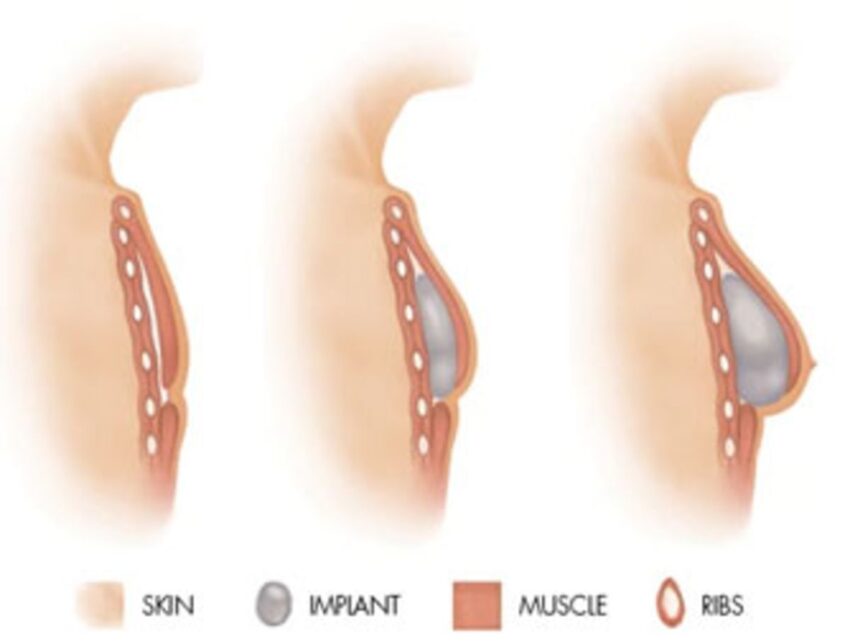
One of the most common techniques involves using breast implants. There are two main types – silicone implants and saline implants. Silicone implants feel more natural but carry a small risk of rupture while saline are filled with sterile salt water and would need to be replaced if ruptured. Implants can be placed under chest muscles or underneath breast tissue and a new nipple can be reconstructed as a separate surgery later on.
Autologous Reconstruction Using Body Tissue
Also known as flap procedures, these techniques use a woman’s own tissue from other parts of the body like the lower back, abdomen, or thighs to reconstruct the breast. The tissue is shaped into a new breast during surgery. Options include TRAM (transverse rectus abdominis myocutaneous) flap using tissue from the stomach area, DIEP (deep inferior epigastric perforator) flap using skin and fat only from the lower abdomen, LATISSIMUS DORSI flap using muscle and skin from the back, or GAP (gluteal artery perforator) flap using skin and fat from the buttocks.
Post-Surgical Considerations
Following reconstruction, massage and exercise of chest muscles is important for shaping and integrating the new breast. Two to three months may pass before results are apparent and swelling decreases. Implants may need to be replaced every 10-15 years. Body tissue procedures reshape permanently but the actual volume can change over time. Permanent or temporary nipple reconstruction is another possible surgery. Support bras will aid healing.
Factors in Choosing a Technique
The best method depends on individual factors like cancer treatment received, overall health and size/shape of remaining breast. Implants offer quick recovery but tissue has a more natural long-term result. Goals for symmetry or permanent versus temporary should be discussed. A plastic surgeon can help evaluate options to find the reconstruction method that is right for each woman.
Managing Expectations
No reconstruction can perfectly match the original breasts in look, feel or behavior. Coping with cancer treatment scars or evolving breast appearance over time requires acceptance. A positive outlook and focusing on living well after treatment can help any feelings of loss or change. Reconstructed breasts, however they are created, help restore confidence, identity and femininity after cancer.
Adjusting to the “New Normal”
Healing and adjusting emotions takes longer than recovery from surgery alone. Speaking with other women who have undergone similar journeys can help provide valued support. Reconstructions are medical triumphs that celebrate being cancer-free while still honoring what was, embracing what is for today and living fully each moment with gratitude.
Breast Reconstruction and Quality of Life
Studies show enhanced body image and less distress with reconstructed breasts versus none after mastectomy. Reconstructions also help make future mammograms possible for cancer surveillance. While not diminishing the difficult process of treatment and recovery, rebuilt breasts allow return to usual activities, appearance and intimate relationships which powerfully contribute to overall life satisfaction, positivity and well-being in survivorship.
*Note:
1.Source: Coherent Market Insights, Public sources, Desk research
2.We have leveraged AI tools to mine information and compile it