
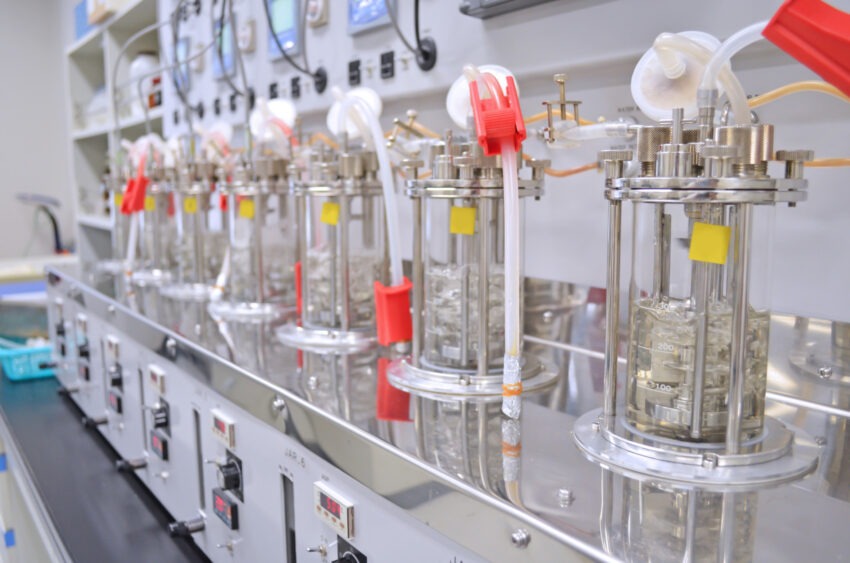
Continuous bioprocessing refers to the use of continuous flow methods for biological manufacturing rather than traditional batch processes. In continuous bioprocessing, cells, medium and products continuously flow through an interconnected series of bioreactors and downstream processing units. This allows for constant production without interruptions for cleaning, sterilization or recharging common in batch processes.
Advantages Of Continuous Bioprocessing
Higher Productivity And Yield
By keeping the production line running continuously, overall productivity can be significantly increased compared to batch processing which has delays between batches for cleaning and preparation. Continuous processes make better use of available facility and labor resources.
Improved Process Control And Consistency
Continuous bioprocesses are more stable as they are less susceptible to fluctuations in environmental factors compared to batch processes. Tight process control allows continuous processes to deliver a more consistent final product quality with reduced variability between batches.
Smaller Facility Footprint
The compact design of continuous bioprocessing equipment and ability to produce multiple smaller batches simultaneously allows smaller production facilities compared to batch bioprocessing. This lowers capital investment needs.
Key Enabling Technologies For Continuous Bioprocessing
Continuous Bioreactors
Advanced bioreactor designs keep cells suspended homogeneously in the reactor channel without mixing pumps or impellers. Oxygen and nutrients are supplied, and waste removed via the continuous fluid flow. This cell retention bioreactor is the heart of continuous manufacturing.
Continuous Chromatography
Multi-column chromatography systems allow continuous purification of harvest from the bioreactor. Connected chromatography columns operate in loading, elution and regeneration modes simultaneously to provide non-stop capture and polishing of target product from feed stream.
Continuous TFF And Diafiltration
The tangential flow filtration and diafiltration systems concentrate and buffer exchange chromatography feed and permeate streams continuously for recycle or further processing. Hollow fiber membrane cassettes are arranged for counter-current flow for optimized processing.
Continuous Formulation And Fill-Finish
Downstream units provide seamless formulation, sterile filtration and automated filling of drug product into vials, syringes or other containers on a continual basis. Advanced sensors and quality control ensures consistent performance of each continuous unit operation.
Real-World Applications Of Continuous Bioprocessing
Mab Production
Production of monoclonal antibody biologics is well suited for continuous processes. Several makers have implemented continuous bioprocesses at commercial scale with significant increases in titer and productivity compared to batch.
Vaccine Manufacturing
Continuous processes can help dramatically increase supply and better address public health needs during disease outbreaks by making vaccines in a more timely, cost-effective manner. This allows more responsive vaccine production and distribution.
Cell And Gene Therapies
As cell and gene therapies move towards broader clinical use, continuous manufacturing could help address their complex supply chain and logistical challenges relating to short shelf life and personalized dosing which batch processing struggles with.
In continuous bioprocessing leverages advanced technologies to realize significant improvements in manufacturing efficiency, quality and capacity. Its ability to provide flexible on-demand production at small scales also makes it an important process design for future therapies addressing rare diseases and personalized medicine. As the biopharma moves production on-site and closer to the patient, continuous processes will play a defining role.
*Note:
1. Source: Coherent Market Insights, Public sources, Desk research
2. We have leveraged AI tools to mine information and compile it