
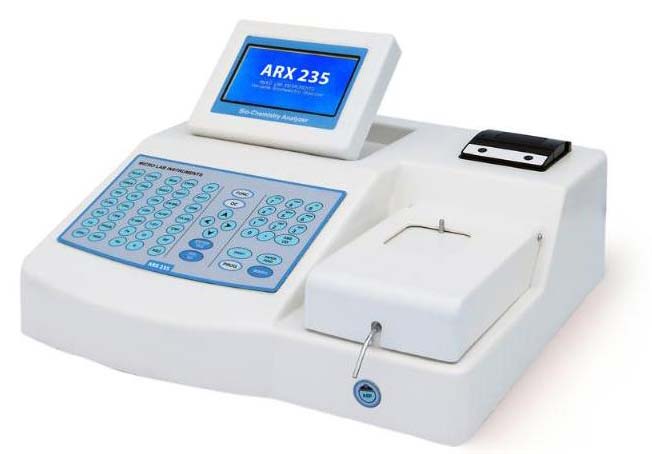
The erythrocyte sedimentation rate (ESR) test is a common medical lab test that is used to detect and monitor conditions caused by increased inflammation in the body. An ESR test measures how fast red blood cells, also known as erythrocytes, settle at the bottom of a tube of blood over a one-hour period. The faster the erythrocytes sediment, the higher the ESR result will be. Conditions that cause increased inflammation like infections, rheumatic diseases, and cancer can raise the ESR. It is a non-specific test but can help detect and monitor such disorders.
History and Manual Method of Esr Analyzer
The ESR test was discovered in the late 19th century and the traditional manual Westergren method of performing the test has been in use since the early 20th century. In the manual method, blood is collected in a Westergren tube which is a narrow tube 200 mm long and 2.5 mm wide. The tube is stood vertically and the rate at which the erythrocytes settle to the bottom of the tube is measured usually after one hour. Markings on the tube indicate the level of settlement in mm. A higher reading suggests increased inflammation in the body. While simple, the manual method is time-consuming and relies on manual readings.
Introduction and Advantages of Automated Westergren ESRs
In the late 20th century, automated Esr Analyzer were introduced which could perform the test mechanically and objectively. In an automated analyzer, blood is collected in specialized cuvettes or tubes that are loaded into the instrument. The analyzer then measures the rate of sedimentation of erythrocytes electronically using optical or other techniques. Readings are given directly in mm/hour. Automated Westergren ESRs offer several advantages over the manual method. They are faster, give more accurate and reproducible results, and eliminate manual errors. They can test multiple samples at once and provide objective, digitized results. This increased the efficiency, throughput and reliability of ESR testing in clinical labs.
Working Mechanism of Common Analyzer Types
There are a few main mechanisms used in current automated Westergren ESRs:
Optical detection: In these analyzers, a beam of light passes through the blood sample in the cuvette. As erythrocytes settle, the light transmission increases which is detected electronically. Examples include Alifax Westergren ESR.
Capacitance sensor: These use a capacitive sensor plate under the cuvette. As erythrocytes settle over time, the dielectric properties change, altering the capacitance. This sensed capacitance change corresponds to rate of sedimentation. Examples are Stabia Westergren ESR.
Pipette system: Here a fine capillary tube acts as the cuvette. As blood flows in, erythrocytes settle inside the thin pipette. Their movement is detected using optical, electrical resistance changes. Examples are Seditainer Sysmex Westergren ESR.
Each mechanism automates the reading process but the underlying scientific principle of measuring erythrocyte sedimentation rate over an hour remains the same as the manual method. Automated analyzers provide higher sample throughput and more accurate, reproducible results.
Factors Affecting Accuracy of ESR Readings
Though automated, a few preanalytical factors can still affect the accuracy and reproducibility of ESR results from analyzers:
– Blood collection: Delays in processing, improper tube filling or inclination during clotting can impact test.
– Storage and transportation: ESR increases at lower temperatures. Strict storage at 20-24°C is required as per guidelines.
– Patient factors: Conditions like anemia, polycythemia, hypergammaglobulinemia, pregnancy can alter ESR irrespective of inflammation.
– Equipment related: Temperature, humidity control; proper maintenance and calibration as per manufacturer protocol ensure accurate ESR measurements.
Adhering to standard operating procedures and controlling preanalytical variables ensures Westergren ESRs provide reliable, objective results for clinical decision making. Stricter internal and external quality control also helps minimize errors.
Clinical Applications and Trending Capability
The automated ESR test continues to be widely used due to its cost-effectiveness compared to alternative biomarkers. Its applications include:
– Screening and monitoring rheumatic diseases like rheumatoid arthritis.
– Bacterial/viral infections – ESR guides treatment duration and recovery.
– Inflammatory conditions of lungs, kidneys, gastrointestinal tract.
– Malignancies – as a part of diagnosing and following up cancer cases.
Automated Westergren ESRs also allow trending the sequential test results over time which helps monitor the changing status and response to treatment in chronic conditions. Together with correlating clinical findings, ESR trends provide valuable information to physicians for timely management decisions.
Future Directions in ESR Analysis
While the underlying principle remains unchanged, newer analyzers are being developed with enhanced capabilities:
– Fully-automated sample handling and intelligent sample sorting/tracking helps higher throughput in core labs.
– Connectivity options to import test orders and archive results digitally in lab information systems.
– Dual parameter analyzers that can measure additional acute phase reactants like CRP alongside ESR.
– Point-of-care Westergren ESRs for use in hospitals, physician offices, providing quick results at the testing site.
– Integration of ESR with other routine blood tests promises an improved automated hematology analyzer in future.
Automated Westergren ESRs have revolutionized sedimentation rate testing by introducing objectivity, speed, reproducibility and connectivity. They are indispensable tools in modern clinical pathology laboratories for inflammation screening and monitoring. Ongoing technological advancements continue to make ESR analysis more efficient, convenient and useful for physicians managing various inflammatory and autoimmune disorders.
*Note:
1.Source: Coherent Market Insights, Public sources, Desk research
2.We have leveraged AI tools to mine information and compile it