
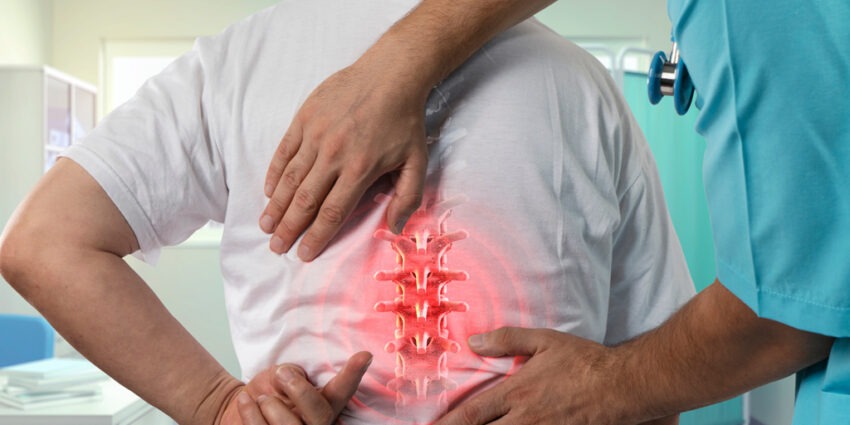
Interventional management is a branch of medicine that focuses on the diagnosis and treatment of pain. It utilizes minimally invasive procedures to treat acute, sub-acute and chronic pain conditions. The goal of interventional management is to decrease or eliminate sources of pain, thereby reducing symptoms and improving quality of life.
Types of Procedures in Interventional Management
Nerve blocks involve injecting local anesthetics near injured or compressed nerves to provide temporary or long-lasting pain relief. Different types of nerve blocks target specific nerves and include cervical/lumbar facet joint nerve blocks, medial branch blocks, ganglion impar blocks and more. Nerve blocks help diagnose the source of pain and also treat it.
Epidural Steroid Injections
Interventional Pain Management Epidural steroid injections involve inserting a long thin needle into the epidural space in the spine and injecting anti-inflammatory corticosteroid medications. This can help reduce inflammation, swelling and associated back and leg pain from conditions like herniated discs, spinal stenosis and radiculopathy.
Radiofrequency Ablation
Radiofrequency ablation uses heat generated from radio waves to disrupt nerve pathways and denervate painful structures like joints, nerves or vertebrae. It can provide more sustained pain relief compared to nerve blocks for conditions such as neck and back pain, knee and shoulder pain.
Facet Joint Injections
The facet joints in the spine help support body weight and allow movement. Injured or arthritic facet joints can cause back pain. Injecting medicines like corticosteroids directly into painful facet joints can help reduce swelling and pain. Facet joint injections are a precursor to more invasive procedures like radiofrequency ablation.
Trigger Point Injections
Trigger points are hyperirritable spots in muscles that cause referred pain. Injecting local anesthetics directly into trigger points can relieve myofascial pain syndromes. It is a popular treatment for conditions like neck and back pain, headaches and plantar fasciitis.
Epidural Adhesiolysis
This procedure involves injecting medications like steroidal anti-inflammatories into the epidural space after breaking up adhesions (scar tissues) that form following spinal surgeries or due to long-term back problems. This can dissolve adhesions and relieve lower back and leg pain.
Roles of Interventional Management
Interventional management techniques play several important roles:
Diagnostic Tool
Procedures like nerve blocks help accurately identify the underlying source or cause of a patient’s pain. This makes treatment planning more targeted and effective.
Complementary to Medicine and Physiotherapy
Procedures augment drug therapy and physical therapy regimes, enhancing pain relief. They provide valuable symptom relief in between therapy sessions.
Alternative to Surgery
Many pain conditions can now be managed nonsurgically with interventional techniques, helping avoid invasive surgeries or prolong their need.
Bridge to Surgery
In some cases, interventional procedures are used pre-surgery to prepare patients or post-surgery for better recovery and pain management.
Long-term Pain Management
For chronic pain, interventional techniques may permanently treat the source of pain through ablation or provide long-lasting pain relief through repeated appropriate injections.
Multidisciplinary Approach
Interventional Pain Management work with medical specialists, physiotherapists, psychologists etc. to develop holistic pain management plans.
Safety of Interventional Pain Procedures
While effective, interventional procedures do carry some risks like infection, bleeding and nerve injury. However, advances in imaging, equipment and techniques have made these procedures extremely safe when performed by trained and experienced pain physicians. Some safety measures include:
– Ultrasound or fluoroscopy guidance for precision needle/catheter placement
– Use of thin calibrated needles and real-time imaging to avoid surrounding tissues
– Sterile precautions, proper disinfection and careful post-procedure wound management to prevent infections
– Avoidance of contraindicated areas near major blood vessels and organs
– Constant physician monitoring during procedures and recovery in case of any adverse reactions
– Limiting number of procedures based on individual patient risks
With proper patient selection, screening and procedure protocol adherence, interventional pain management offers reliable pain relief with minimal side effects. Addressing any concerns through informed consent also helps increase safety and compliance.
Future Scope of Interventional Management
The field of interventional management continues to evolve with ongoing research:
– Newer targeted procedures are being developed for specific pain conditions like migraines, shoulder pain, knee pain etc.
– Minimally invasive surgical techniques like disc decompression and vertebroplasty use interventional concepts to treat back pain.
– Neurostimulation techniques like spinal cord, peripheral nerve and brain stimulators activated by implanted pulse generators are being combined with interventional approaches.
– Image guidance through ultrasound, CT, MRI, fluoroscopy and digital radiography help increase targeting accuracy of procedures.
– Novel biologics, gene therapy applications, use of stem cells etc. may allow disease modification alongside symptom relief.
With its rising popularity and demonstrated effectiveness, interventional pain management will likely play a key role in comprehensive multidisciplinary pain clinics of the future through constant innovation. It aims to revolutionize pain treatment outcomes with minimal risks.
*Note:
1. Source: Coherent Market Insights, Public sources, Desk research
2. We have leveraged AI tools to mine information and compile it.