
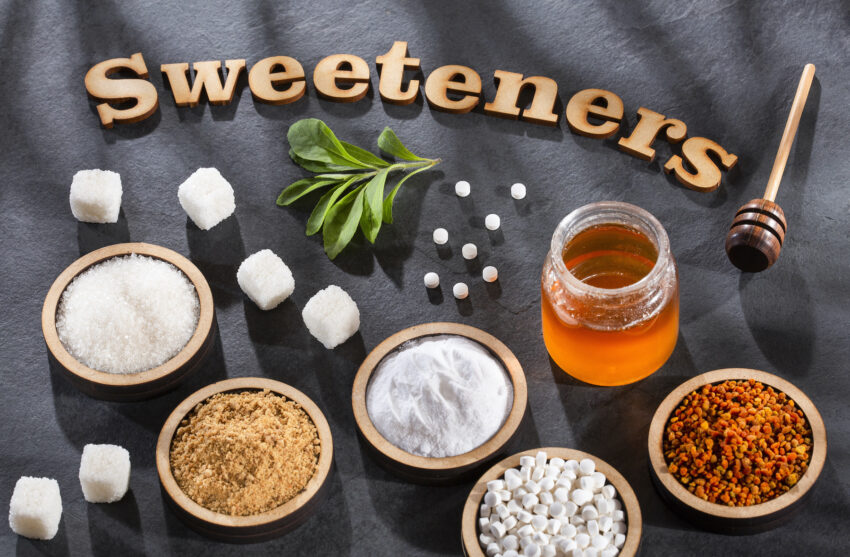
Introduction of U.S. Artificial Sweeteners Market
The first artificial sweetener, saccharin, was discovered by researchers in 1879. It is 300 times sweeter than sugar but has a bitter or metallic aftertaste. Saccharin gained widespread use after the sugar shortages of World War I. In the 1970s, aspartame and acesulfame potassium were introduced as new artificial sweeteners. Aspartame is about 200 times sweeter than sugar but also leaves a slightly bitter aftertaste. Acesulfame potassium is 200 times sweeter than sugar and has little aftertaste. Sucralose, also known as Splenda, was approved by the FDA for use in 1998. It is 600 times sweeter than sugar and is often favored for baking and cooking due to its sugar-like properties.
Rising Consumption and Health Concerns
As obesity rates increased throughout the late 20th century, demand grew for low-calorie sugar substitutes. Per capita consumption of Artificial Sweeteners increased over 400% between 1987-2008 according to the Calorie Control Council. However, these products also became controversial. Studies linked saccharin to bladder cancer in rats, though this risk was not found in humans. More recent research has examined possibilities that artificial sweeteners may disrupt gut bacteria and blood sugar levels. However, the overall evidence on health effects remains mixed. The FDA and international health organizations have determined all artificial sweeteners approved for use are safe for human consumption in moderate amounts. Still, some consumers aim to avoid them due to lingering uncertainty.
Labeling Practices and “Zero Calorie” Claims
Food companies capitalized on dieter demand by adding artificial sweeteners to soda, baked goods, candies, and other products. Products promoting “no sugar” or “zero calorie” claims through substituting artificial sweeteners became common. However, some argue this obscures other ingredients contributing calories and nutritional concerns. In 2016, PepsiCo received a warning letter from the FDA over “Misleading Claims” on its diet sodas. While true that they contained no sugar, marketing emphasized this while dieting down other aspects. This highlighted ongoing debates around how food labeling around artificial sweeteners can shape perceptions in positive or negative ways.
Broader Sugar Consumption Trends
Even as artificial sweeteners grew in usage, overall sugar consumption in America remained high. On average, Americans consume over 22 teaspoons or 350 calories’ worth of added sugars each day according to the CDC. Natural sugars in fruit juices are often major sources of these empty calories. Consumption of sugary drinks is linked to greater risk of obesity, type 2 diabetes, and cardiovascular disease. In 2016, a WHO report advocated reducing free sugar intake to less than 10% of total energy intake. However, many factors have slowed declining sugar consumption in the U.S. Large food companies face little regulation around added sugars in processed foods. Lower income households also disproportionately rely on inexpensive, sugar-heavy staples. Going forward, public health advocates continue encouraging a wider range of policy reforms to support healthier diets.
New Developments and U.S. Artificial Sweeteners Market
Scientists continue innovating newer low-calorie sweeteners. Monk fruit extract is a natural product around 250-300 times sweeter than sugar. Allulose is a rare sugar with 0.4 calories per gram compared to regular sugar’s 4 calories per gram. Both have gained approval from the FDA GRAS program in recent years. Other initiatives target reducing sugars through breeding crops with naturally lower sugar content or developing sugar alcohols like erythritol as substitutes. New extraction techniques make stevia a highly refined rebiana-based sweetener with no bitter aftertaste. However, controversy persists whether widespread substitution is the ultimately healthy answer compared to policies reducing overall sugar dependency. Food technology startups also work on flavor enhancement to allow reducing sugars’ role in foods. As research evolves, consumers will have growing options for sweetness beyond just sugar versus artificial sweeteners.
Consumer Preferences and the Future of the Market
Younger generations express more openness to natural plant-based ingredients compared to chemicals from labs. Companies increasingly advertise “all-natural” or less processed sweetener products. Still, saccharin and aspartame retain following as trusted lower-calorie staples for over 40 years. Overall, the global low-calorie sweetener market continues expanding at a forecasted 6-7% annual rate and reaching $4.5 billion by 2023 according to Allied Market Research. North America currently makes up over 40% of demand due to obesity problems.
In Summary, developing countries are projected to see the fastest future growth as they confront emerging health crises. Artificial sweeteners have provided alternatives for the sizable percentage of populations watching sugar and calorie intake. Whether through these or upcoming technological advances, satisfying human taste for sweetness will remain both an economic driver and public health concern.
*Note:
1. Source: Coherent Market Insights, Public sources, Desk research
2. We have leveraged AI tools to mine information and compile it