
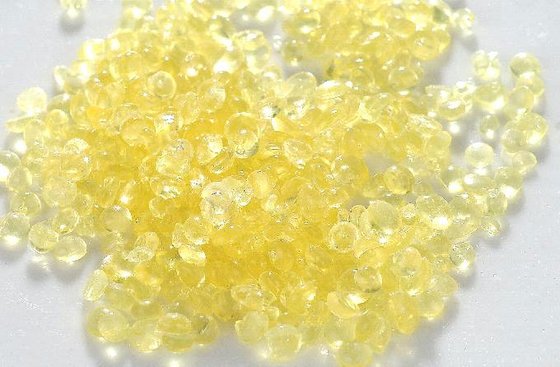
Petroleum resins are amorphous thermoplastic materials derived from petroleum cracking processes. They are versatile materials with a wide array of industrial applications ranging from hot melt adhesives to road construction. Their unique properties like adhesion, tackiness and flexibility make them suitable for various end-use industries.
Production Process
Petroleum Resins are produced through heating liquefied petroleum gases like butane, propane or isobutane at high temperatures in the presence of a Friedel-Crafts catalyst. This oxidative polymerization process converts the aliphatic petroleum hydrocarbons into hydrocarbon resins.
The resins are classified based on the feedstock and production conditions into C5, aromatic, hydrogenated, and rosin ester resins. C5 resins are generated from petroleum C5 streams while aromatic resins contain aromatics in their structure. Hydrogenated resins undergo additional hydrogenation to improve light stability and compatibility with rubber.
Properties and Applications
Adhesion and Cohesion
The adhesive properties of petroleum resins allow their usage as tackifiers in hot melt adhesives, sealants, and coatings. Their cohesive strength holds materials together providing structural integrity.
Hot Melt Adhesives
Over half of total petroleum resin production is consumed in hot melt adhesives for consumer goods like bookbinding, packaging, construction, footwear, and automotive. C5 resins are commonly used.
Road Construction
Due to their elasticity and binding characteristics, petroleum resins find extensive application in asphalt modification and road construction. They enhance asphalt viscosity and flexibility.
Coatings and Inks
The adhesion, toughness, and flexibility of resins make them suitable for coatings on paper, metal, and plastics. They also act as binders in printing inks.
Rubber Compounding
The tackifying effect of resins improves rubber-to-substrate bonding in products like tires, belts, hoses etc. Hydrogenated resins provide optimal compatibility with rubbers.
Specialty Applications
Resins also enable specialty applications like cavity sealing, joint and crack filling, caulking, cable filling compounds, wood flooring, roofing materials, and corrosion protective coatings.
Environmental Benefits and Sustainability
As petroleum resins are by-products of refining, their production does not involve additional crude oil extraction. They boost material and resource efficiency by replacing more resource-intensive materials.
When compared to synthetic rubbers and resins, petroleum resins have lower embodied energy and carbon footprint. Their usage in end-products enhances durability and performance, reducing material consumption over time.
Environmentally benign hydrogenated resins improve light and weathering stability of end formulations. Their enhanced compatibility displaces solvents, reducing volatile organic compound (VOC) emissions.
Regulations governing VOC contents have driven innovation and development of more sustainable solvent-free and waterborne resin technologies. Ongoing R&D also focuses on advancing biodegradable and recyclable resin systems.
With rising worldwide infrastructure development and consumer goods markets, global demand for petroleum resins is projected to grow steadily. Expanding applications in road construction, coatings and specialized markets will drive volumes.
Meanwhile, stricter environmental policies will accelerate the shift towards greener resin technologies. Innovation towards sustainability goals and circular economy principles will mold future market and product developments. Overall, petroleum resins will continue playing a pivotal role in various growing industries benefitting from their unique combination of properties.