
Researchers at the University of Queensland have made a groundbreaking discovery that could significantly impact the lives of individuals living with cystic fibrosis (CF). Led by Professor Matt Sweet, Dr. Kaustav Das Gupta, and Dr. James Curson from UQ’s Institute for Molecular Bioscience, the team has uncovered a defect in the bacteria-killing capability of immune cells in CF patients and a promising solution to overcome it.
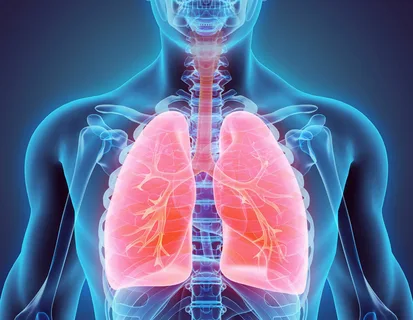
CF is a debilitating chronic condition characterized by abnormalities in the CFTR (cystic fibrosis transmembrane conductance regulator) channel, resulting in the accumulation of mucus in the lungs, airways, and digestive system, leading to recurrent infections.
The researchers found that in individuals with CF, a specific type of immune cell known as macrophages exhibit deficiencies in a zinc pathway essential for bacterial eradication. The findings of this study have been published in the prestigious journal Proceedings of the National Academy of Sciences.
According to Professor Sweet, macrophages combat bacteria by utilizing metal poisoning, specifically zinc, to eliminate pathogens. The team’s research indicates that the malfunctioning CFTR ion channel hampers the zinc pathway, potentially explaining the heightened susceptibility of CF patients to bacterial infections.
Moreover, the researchers have identified a zinc transport protein capable of restoring the bacteria-killing function of macrophages even in the absence of functional CFTR protein.
The next step for the team is to administer this zinc transport protein to the macrophages of CF patients, with the expectation that it will reinvigorate their immune response, consequently reducing the frequency of infections, Professor Sweet elaborated.
With approximately 3,600 Australians affected by CF, the disease significantly impacts life expectancy, reducing it to an average of 47 years. Professor Peter Sly, a pediatric respiratory physician at UQ’s Child Health Research Center and a key collaborator on the project, emphasized the importance of understanding the immune system’s response to CF for improved patient care.
CF patients commonly experience airway inflammation and heightened susceptibility to bacterial infections, leading to antibiotic overuse and the development of antibiotic-resistant strains, Professor Sly highlighted.
While existing treatments address certain aspects of CFTR functionality, they fall short in addressing lung infections, underscoring the need to restore immune functions in CF patients.
The research was conducted in collaboration with Professor Mark Schembri from the Institute for Molecular Bioscience, emphasizing the interdisciplinary nature of the study and the potential for future advancements in cystic fibrosis management.
*Note:
1. Source: Coherent Market Insights, Public sources, Desk research
2. We have leveraged AI tools to mine information and compile it