
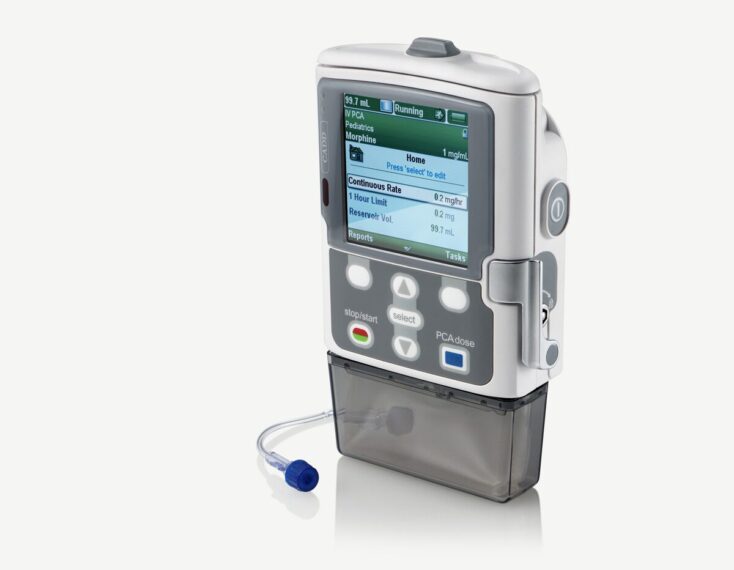
Infusion pumps are essential medical devices that are used to deliver fluids, nutrients, medications or other treatments into a patient’s body in controlled amounts. They provide accurate dosing and administration of fluids or drugs through an intravenous route, also known as IV therapy. Infusion pumps offer many benefits over traditional gravity-fed intravenous delivery systems.
Types of Infusion Pumps
There are different types of infusion pumps available based on their intended use and features:
Syringe Pumps: These basic pumps are used to deliver fluids, nutrients or medications stored in pre-filled syringes in precisely controlled amounts. They are commonly used in home care settings.
Ambulatory Pumps: Also called elastomeric pumps or balloon pumps, these portable pumps are designed for patients who are ambulatory or mobile. They use compressed gas or elastic tubing to deliver medications over extended periods of time.
Patient-Controlled Analgesia (PCA) Pumps: As the name suggests, PCA pumps allow patients to self-administer pain medications by pushing a button when needed. This provides better pain relief.
Insulin Pumps: Specifically designed for delivering insulin, these pumps are often tubeless and attached directly on the body. They are usually programmed to mimic the body’s natural insulin secretion and provide continuous insulin delivery.
Multi-Channel Pumps: Advanced multi-channel pumps can simultaneously infuse multiple IV medications, fluids or nutrients into separate IV lines at customized flow rates and time schedules. They are commonly found in critical care units.
Enteral Pumps: Enteral pumps are used to deliver liquid nutrition or medications directly into the stomach or small intestines of patients via feeding tubes.
Properties of Infusion Pumps
The key properties that make Infusion Pumps so advantageous include:
Precision: Pumps allow very accurate and consistent delivery of tiny volumes of medications or fluids at programmed flow rates over extended periods ranging from minutes to days. This ensures therapeutic drug levels are maintained.
Mobility: Portable pumps allow patients freedom of movement while continuing treatment at home or during ambulation. On-body pumps attach securely for continuous infusion even during physical activity.
Controllability: Flow rates and dosing schedules can be individually customized and electronically controlled per patient needs. Alarms detect issues like blockages or empty containers.
Safety: Pumps reduce risks of over- or under-dosing due to human errors by maintaining uniform infusion parameters. Options like continuous monitoring and drug libraries guard against administration of wrong drugs.
Convenience: Once programmed, pumps can automatically deliver IV therapy without continuous nursing supervision, freeing up staff for other duties. This increases efficiency of healthcare delivery.
Patient comfort: Self-administration features in PCA pumps empower patients control their pain relief and promote faster recovery. Enteral nutrition avoids unpleasant tube feedings.
Applications of Infusion Pumps
Some key clinical applications where infusion pumps play a vital role include:
Cancer chemotherapy: Precise and continuous administration of hazardous anti-cancer drugs is possible with pumps avoiding risks of high concentration bolus doses.
General IV therapy: Fluids, antibiotics, vitamins, blood products etc. are commonly given via infusion pumps in hospitals, long term care and at home.
Pain management: PCA and epidural pumps provide reliable pain relief during labor, post surgery or for chronic pain conditions.
Total parenteral nutrition: Enteral pumps deliver complete nutrition safely into patients unable to have oral or tube feedings.
Diabetes management: Insulin pumps mimic the pancreas working with glucose monitors to release insulin as per body’s needs.
Prevention of complications: Gradual IV delivery of medications prevents complications like extravasation from fast bolus injections.
Pediatrics: Neonatal and pediatric pumps help manage delicate IV therapy for newborns and young children requiring accurate small volume dosing.
Emerging applications: New areas like biologic infusions, conscious sedation, chemotherapy, organ transplant medications and continuous regional anesthesia are evolving uses of modern pumps.
Advancements in Infusion Pump Technology
Rapid technological advancements are making pumps more user-friendly, compact and intelligent:
Touchscreen interfaces: Touch control allows intuitive programming and monitoring on tablet-like displays replacing separate keypads and screens.
Dose error reduction systems (DERS): Smart safety features like large volume overrides and mandatory checks help reduce dosing and programming errors.
Connectivity: Bluetooth, Wi-Fi and mobile apps enable wireless remote programming, alarm notifications and electronic health record integration from anywhere.
Rechargeable/extended batteries: New longer lasting batteries or quick charging capabilities increase portability for days without plugging into power.
Closed loop systems: Combined with continuous glucose monitors, advanced “artificial pancreas” systems automatically regulate insulin based on real time glucose readings.
On-body/injectable infusions: Tiny, concealable or even ingestible pumps are under research stages for cancer and other chronic conditions requiring discreet, comfortable delivery.
As healthcare moves towards greater patient empowerment, infusion pumps will play a key role enabling remote monitoring and home treatment. Continued enhancements in usability, safety, connectivity and battery technology will drive pumps towards becoming even smaller, smarter and more integrated into digital health ecosystems. Their widespread adoption in chemotherapy, diabetes management and other chronic diseases promises to significantly improve quality of life and clinical outcomes. Infusion pumps will remain indispensable aids in controlled administration of intravenous therapies